
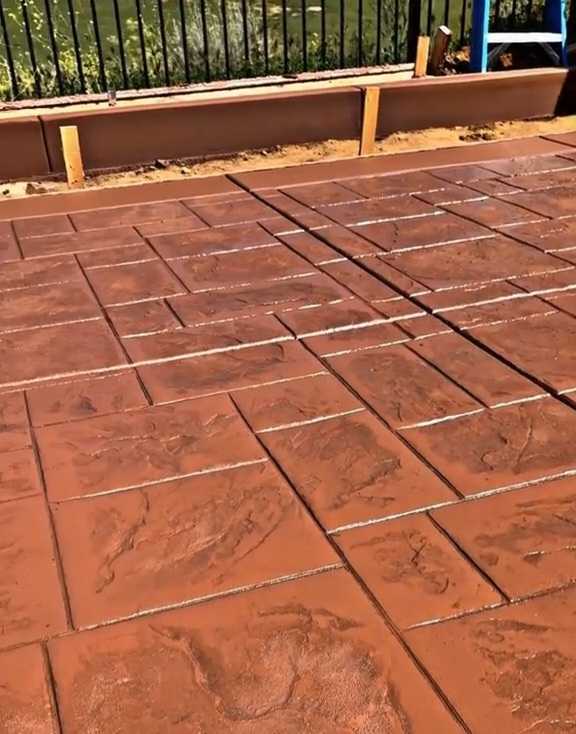
Maintaining colored and stamped concrete is mostly about consistent cleaning, smart protection, and timely resealing so the surface keeps its color, shine, and pattern for many years. With a simple routine and the right products, homeowners can prevent most problems like fading, stains, and surface wear.
Introduction
Colored and stamped concrete mimics stone, brick, or tile while offering the strength and durability of concrete, which makes it popular for driveways, patios, pool decks, and walkways. Proper maintenance preserves both the decorative appearance and the structural integrity of these surfaces, saving money on repairs or full replacement later.
What Colored & Stamped Concrete Is
- Colored concrete uses pigments or stains to add permanent color to the surface or throughout the slab, while stamped concrete adds textured patterns that resemble natural materials.
- Most stamped and colored slabs are protected with a clear sealer that enhances color, adds gloss, and shields the surface from UV rays, moisture, chemicals, and stains.
Why Maintenance Matters
- Without maintenance, UV exposure, traffic, and weather can dull the finish, fade color, and cause micro-cracking or surface scaling over time.
- Regular care and resealing help repel water, oil, and de-icing salts, which extends the lifespan of decorative concrete significantly.
Routine Cleaning Basics
- For outdoor decorative concrete, sweeping or blowing off debris regularly and hosing down the surface about once a month keeps dirt from grinding into the texture.
- For deeper cleaning, use mild pH-neutral detergent, warm water, and a soft-bristle brush, avoiding harsh acids, vinegar, or strong homemade cleaners that can attack the sealer.
Using Pressure Washers Safely
- When pressure washing stamped or colored concrete, use a wide-angle (around 40-degree) tip and moderate pressure so you do not etch the pattern or damage the sealer.
- Focus on moving the wand steadily and keeping a consistent distance to avoid streaks or hot spots that can make the surface look uneven.
Sealing and Resealing
- Sealers are critical because they deepen color, add sheen, and protect against stains, water, and UV fading on decorative concrete surfaces.
- Many experts suggest resealing stamped and other decorative concrete every 2–3 years on average, but actual timing depends on traffic, climate, and the specific sealer used.
Signs It Is Time to Reseal
- Dull, chalky appearance, increased color fading, or water no longer beading on the surface are common indicators that the sealer is wearing out.
- Peeling, flaking, or whitening of the sealer suggests product failure or over-application and may require stripping or professional evaluation before resealing.
How to Reseal Correctly
- Before resealing, clean thoroughly, remove stains, and let the concrete dry at least 24 hours so no moisture gets trapped under the new coat.
- Apply sealer in thin, even coats at the manufacturer’s recommended spread rate, often around 400 square feet per gallon, and avoid adding new sealer too frequently to prevent delamination.
Preventing Stains and Surface Damage
- Promptly clean spills from oil, grease, food, or chemicals, even when the slab is sealed, to prevent long-term discoloration or softening of the coating.
- Avoid using de-icing salts directly on decorative concrete; instead, use sand for traction and keep metal shovels from scraping the surface pattern.
Dealing With Common Problems
- For light efflorescence, dirt, or minor stains, use cleaners designed for decorative concrete, starting with pH-neutral formulas and only stepping up to specialty products if needed.
- Significant sealer whitening, deep cracking, or widespread color loss usually calls for a professional contractor who can strip, recolor, or resurface the slab as needed.
Seasonal Maintenance Tips
- In hot, sunny climates, UV exposure may wear out the sealer faster, so monitoring gloss and water beading helps decide when to reseal.
- In regions with freeze–thaw cycles, keeping the surface sealed, cleaning off snow and ice promptly, and minimizing salt use reduces scaling and cracking risk.
Eco-Friendly Care Practices
- Choosing water-based or low-VOC sealers and concrete-safe cleaners reduces environmental impact while still protecting decorative concrete.
- Using brooms, mops, or low-pressure rinsing for regular cleaning minimizes water waste and reduces the need for harsh chemicals over the life of the surface.
Encouraging a Maintenance Plan
- Homeowners benefit from setting a simple schedule: frequent light cleaning, annual deep wash, and periodic inspection for sealer wear and cracks.
- Keeping records of installation date, sealer type, and past resealing makes future maintenance easier and helps maintain curb appeal and property value.
Want to keep your stamped or colored concrete looking brand new year after year? Contact RIVO Landscaping today for expert maintenance, resealing, and decorative concrete care you can trust!