
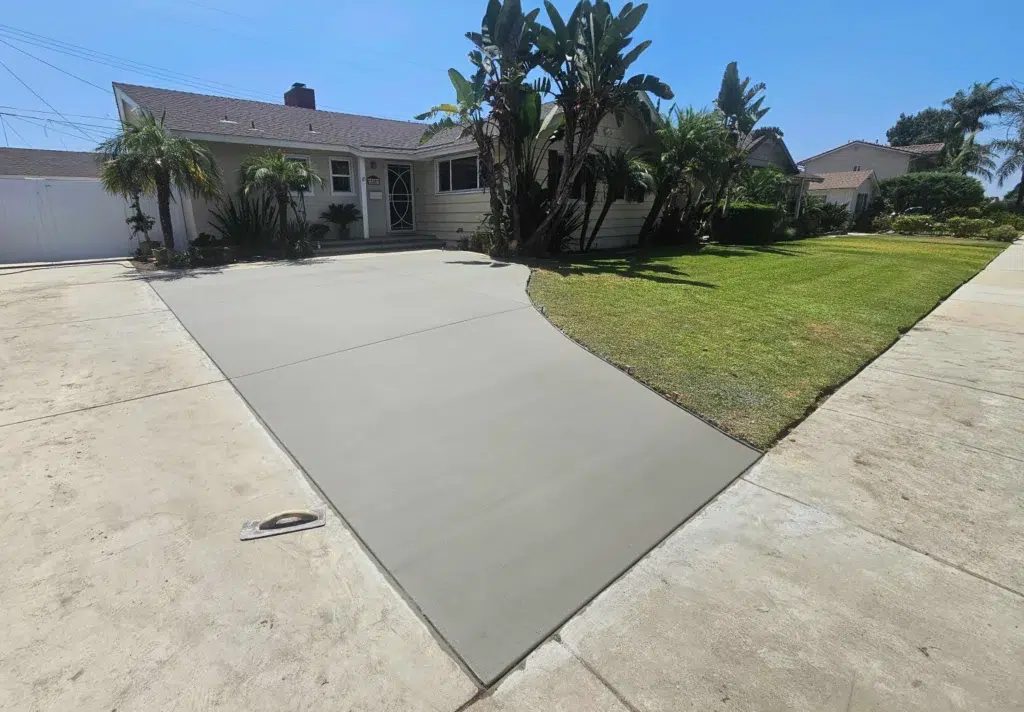
Planning to pour or replace a concrete driveway in Orange County? Before you call your contractor or order materials, it’s important to know whether you need a permit. Skip this step, and you could face fines, delays, or worse—having to rip up your brand-new driveway.
Let’s break down when a permit is required, how the process works, and what homeowners should expect when installing a driveway in Orange County.
Why Driveway Permits Matter in Orange County
Permits aren’t just paperwork—they exist to keep projects safe, consistent, and code-compliant. Concrete driveways affect water drainage, sidewalks, and even street access. Orange County’s Development Services and local city public works departments oversee driveway construction to make sure the work doesn’t impact neighboring properties or public infrastructure.
A permit ensures:
- Proper grading and drainage to prevent flooding.
- Safe driveway slope and width for vehicles.
- Protection of sidewalks, curbs, and public streets.
- Compliance with Orange County codes and local zoning regulations.
When Do You Need a Concrete Driveway Permit?
In Orange County, you typically need a driveway or encroachment permit if your project:
- Connects to a public roadway or sidewalk.
- Changes your driveway width, slope, or location.
- Involves cutting the curb or working in the public right-of-way.
- Alters drainage that affects other properties.
Even for residential homes, any modification that reaches beyond your private property line usually triggers a permit requirement. In towns like Yorba Linda, Anaheim, or Irvine, this might also involve coordination with your city’s Public Works Department.
If your driveway is fully on private property and you’re only resurfacing existing concrete, you may not need a full permit—but it’s always wise to confirm with your local building department.
Exceptions and Common Grey Areas
Not all work triggers a permit. For instance:
- Cosmetic repairs or sealing typically don’t require approval.
- Resurfacing an existing driveway may be exempt—but only if it doesn’t alter grading, width, or drainage.
- HOAs can add another layer of compliance; they might require prior approval even if the city doesn’t.
Each city in Orange County has slightly different rules. For example, the City of Orange requires an encroachment permit for any work in the parkway, while unincorporated county areas fall under OC Development Services regulations. Always verify with your jurisdiction before breaking ground.
How to Get a Concrete Driveway Permit in Orange County
Here’s a step-by-step guide to the permitting process:
- Identify Jurisdiction:
Use your address to check whether your property lies within a city or unincorporated Orange County. - Contact the Proper Department:
City residents should contact the local Public Works or Building Division. Unincorporated homeowners should reach OC Development Services. - Submit Required Documents:
Usually includes a site plan, driveway dimensions, contractor license info, and drainage details. - Pay Application Fees:
These vary by project size but generally cover review and inspection services. - Schedule Inspections:
Once approved, work can begin—but you’ll need inspections during and after completion to verify compliance. - Project Close-Out:
After the final inspection, your permit is closed, and your driveway is officially approved for use.
Costs, Timelines, and the Risks of Skipping the Permit
Permit fees and timelines vary, but here’s what to expect:
- Fees: Usually between $100–$400, depending on scope and location.
- Review Time: Typically one to two weeks for standard residential projects.
- Inspection: One during construction and another at completion.
Skipping the permit can result in fines, demolition orders, or complications during home resale. Unpermitted work can also void insurance coverage if damage occurs later, so it’s simply not worth the risk.
Tips for a Smooth, Code-Compliant Driveway Project
- Reach out early to your local building department to confirm exactly what’s required.
- Hire a licensed concrete contractor experienced with Orange County’s permitting process—they’ll know the local codes and handle paperwork efficiently.
- Don’t overlook your drainage plan—improper runoff is one of the top reasons driveway permits get delayed or denied.
- Keep documentation of permits and inspections; you’ll need them if you sell or refinance your home.
Frequently Asked Questions
1. Do I need a permit if I’m just replacing my existing driveway?
In most cases, yes—especially if any work affects the public sidewalk, driveway apron, or drainage slope.
2. Who pulls the permit—the homeowner or the contractor?
Either can, but in most Orange County cities, it’s common for the licensed contractor to handle it.
3. What if my driveway crosses a ditch or sidewalk?
That almost always requires an encroachment permit, as it involves the public right-of-way.
Final Thoughts
Getting a concrete driveway permit in Orange County might seem like a hassle, but it’s essential for long-term safety and compliance. With the right preparation and a qualified contractor, the process is straightforward and helps ensure your investment stands the test of time.
Partner with experienced, licensed local professionals who understand Orange County’s codes, drainage rules, and encroachment process.
Contact RIVO Landscaping today for a free driveway consultation and permit assistance. Let’s make sure your new driveway is beautiful, durable, and 100% code-compliant.